
From 15 January 2026, you can build a small, stand‑alone dwelling (often called a granny flat or minor dwelling) of up to 70 square metres on most residential properties without needing a building consent or resource consent, if you meet the national criteria. The change aims to boost affordable, flexible housing options for families, older relatives, and renters by cutting red tape and speeding up simple, code‑compliant builds.
The exemption covers single‑storey, detached dwellings up to 70 m² with a simple design that fully complies with the New Zealand Building Code and is built or supervised by Licensed Building Practitioners (LBPs). Even without consent, you still must notify your local council, obtain a Project Information Memorandum (PIM) where required, and follow local rules about services, setbacks, and site coverage.
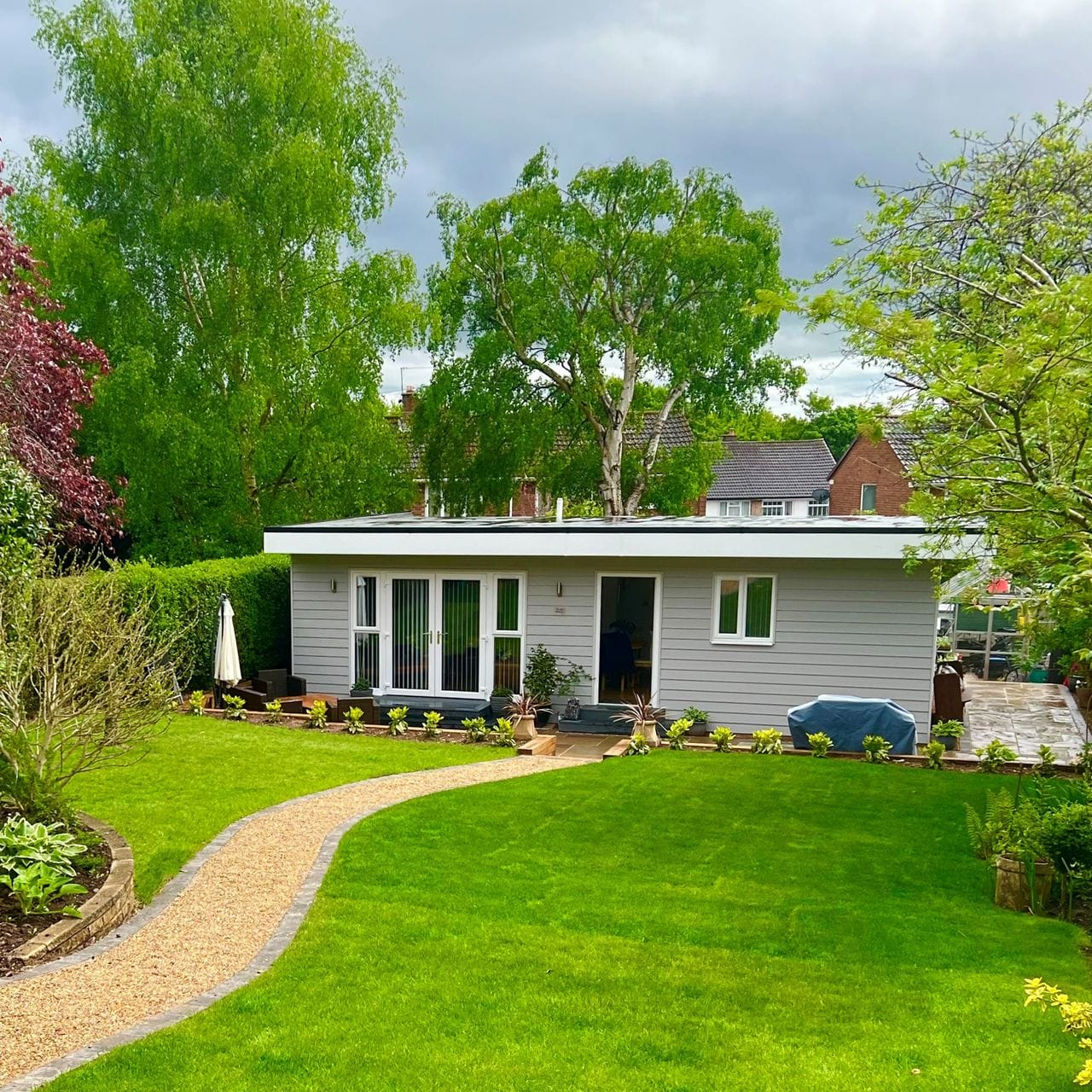
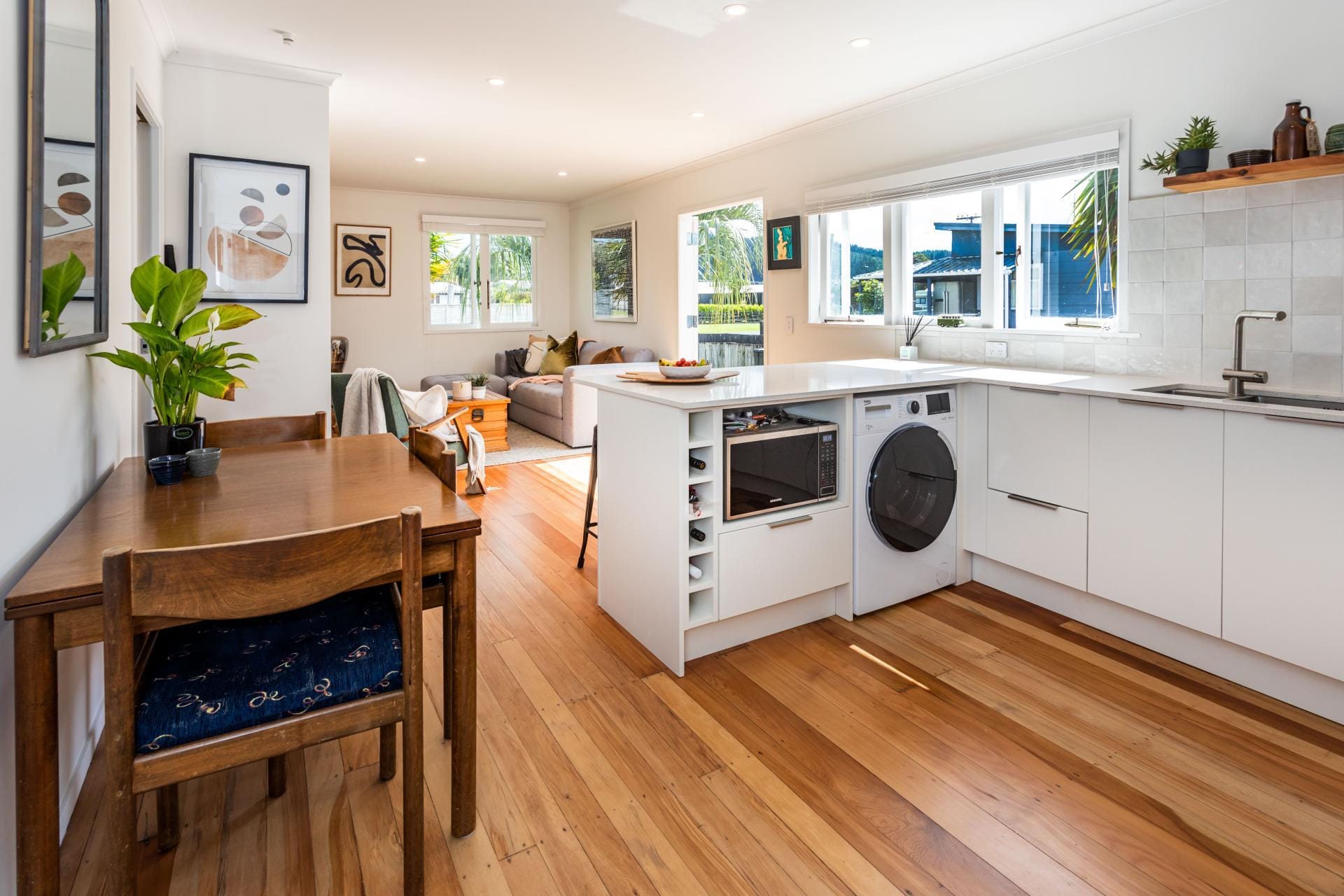
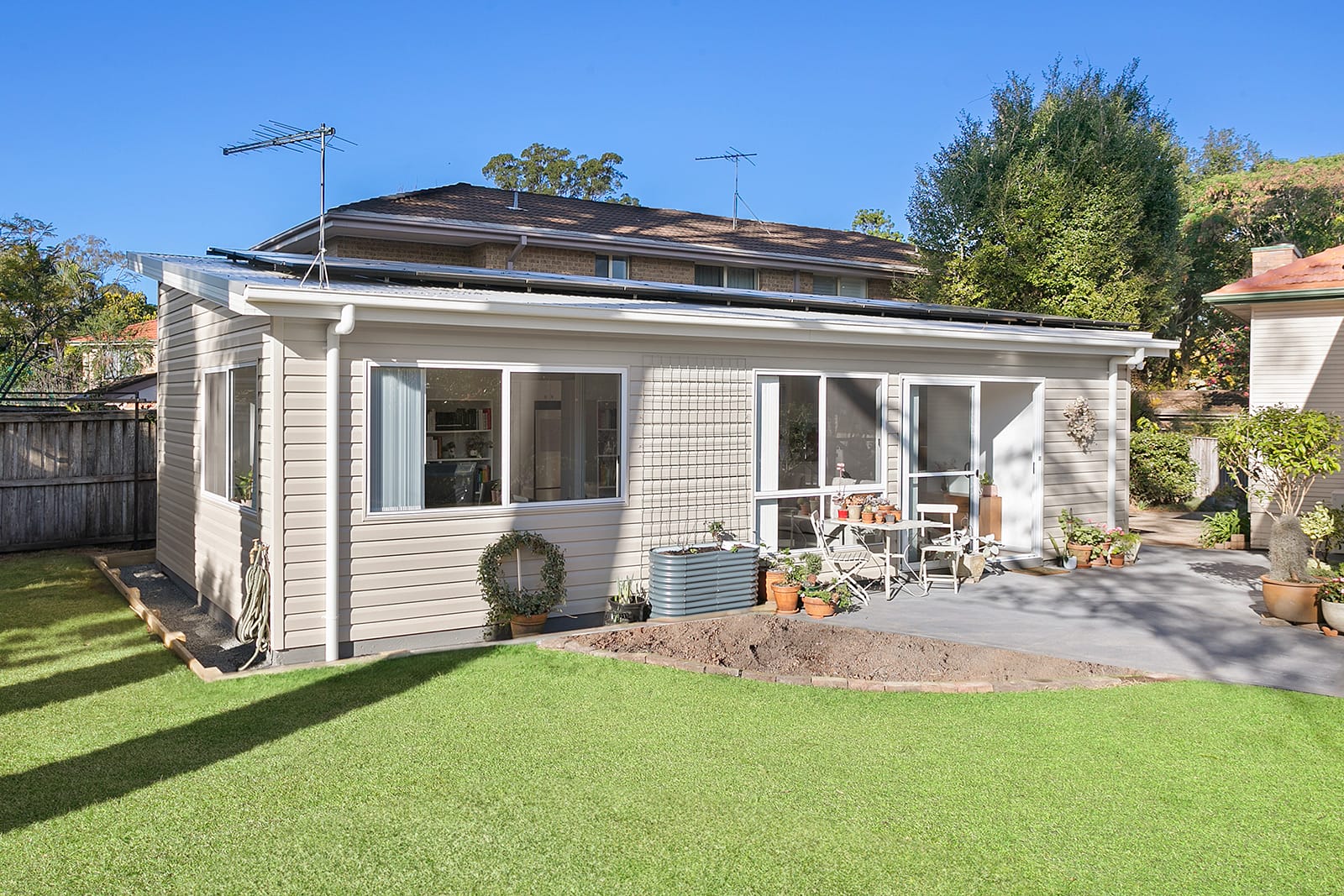
Physically, the unit must be no more than 70 m² in floor area, single storey, up to 4 m high, and usually with the floor no more than 1 m above ground, and at least 2 m away from any boundary and other buildings on the site. Heavy or experimental construction systems fall outside the intent of the exemption; the regime is designed around standard light‑weight timber or steel construction that designers and councils are already familiar with.
While you avoid building and resource consent fees, councils can still charge development contributions at the PIM or notification stage to help fund infrastructure, and those costs will vary by district. Central government estimates suggest New Zealanders could save around $5,650 in direct consent costs and shave roughly 14 weeks off typical timelines, with as many as 13,000 extra granny flats expected over the next decade.
Practically, the exemption shifts more responsibility onto owners and professionals: you must ensure the design is compliant, use competent LBPs, and keep good records so your new dwelling can be recognised as an asset for insurance, valuation, and future sales. Done well, the new rules can help families house grandparents, adult children, or tenants more easily, provided you understand both the benefits and the constraints before you start.
Frequently Asked Questions
- What has actually changed?
Q: What is the new granny flat exemption?
A: New national rules let you build a small, standalone dwelling up to 70 m² without needing a building consent or resource consent, as long as it meets specific size, design, and construction conditions.
Q: When did the new rules take effect?
A: The changes took effect in mid‑January 2026, following enabling legislation and new national direction under the Building Act and Resource Management framework.
Q: Does this apply everywhere in New Zealand?
A: Yes, the exemption is national, but each council still applies it through its own processes (for example PIMs, development contributions, and local infrastructure requirements).
- Size, height and placement
Q: How big can my granny flat be?
A: The maximum is 70 m² of floor area for a single, standalone dwelling; you can build smaller if you want (for example one‑ or two‑bedroom units under 70 m²).
Q: Can I build two granny flats on one section?
A: The exemption is drafted around one small standalone dwelling per site, and typical residential site coverage limits mean most standard sections will only support one consent‑free granny flat.
Q: How tall can it be?
A: The building must be single‑storey, up to 4 m high from floor to the highest point of the roof, and the floor level is usually limited to 1 m above ground.
Q: Can I attach it to my existing house or build over a boundary?
A: No, it must be a separate, standalone building and cannot be built across property boundaries.
Q: How close can it be to boundaries and other buildings?
A: In general guidance, it needs to be at least 2 m from any boundary and 2 m from other buildings on the site, to manage fire separation, daylight and buildability.
- Consents, council and costs
Q: If it’s “consent‑free”, do I still deal with council?
A: Yes; while you may not need a building or resource consent, you usually must notify council, obtain a PIM or equivalent information, and comply with district plan rules and infrastructure requirements.
Q: Do development contributions still apply?
A: Councils can still levy development contributions for granny flats, now linked to the PIM/notification stage rather than a building or resource consent, and can do so even if their policies need updating.
Q: How much money and time could I save?
A: Government estimates indicate savings of up to about $5,650 in direct consent costs and time savings of up to roughly 14 weeks compared with traditional consented minor dwellings.
- Building standards and materials
Q: Do I still have to meet the Building Code?
A: Yes, the dwelling must fully comply with the New Zealand Building Code, including structure, weathertightness, fire safety and H1 insulation standards for habitable buildings.
Q: Who is allowed to do the work?
A: All work must be done or supervised by Licensed Building Practitioners (LBPs), and they must provide records of work, because council is not checking each stage with inspections.
Q: Are there limits on construction systems?
A: The exemption assumes light‑weight construction such as conventional timber or light‑gauge steel framing; heavy systems like rammed earth or tyre‑based walls will generally fall outside the “simple design” requirement and need full consent
Q: Can I have a tiled shower or a wood burner?
A: Many industry interpretations advise against tiled showers and solid‑fuel burners under the exemption, because they raise waterproofing and fire‑safety risks that normally rely on consenting; adding them is likely to trigger the need for a full building consent.
- Services, use and benefits
Q: Can I connect the granny flat to existing water, wastewater and stormwater?
A: Often yes, but your council will confirm through the PIM or pre‑application process whether you can connect to town services or need upgraded or on‑site solutions such as extra stormwater or wastewater capacity.
Q: Can I rent the granny flat out?
A: The rules are designed to support extra dwellings that can be occupied, including by tenants, but you must still comply with healthy homes, tenancy and tax requirements if you rent it.
Q: What are the main benefits for homeowners?
A: Key benefits include faster delivery, lower upfront consent costs, more flexibility to house whānau on site, and the ability to add a valuable, insurable asset to your property when built to code and properly documented.
Q: What are the main constraints or risks?
A: Constraints include the 70 m² size cap, single‑storey limit, setback rules, continued liability for development contributions, and the need to self‑manage Building Code compliance; the risk is that poor design or “cowboy” builders could leave you with non‑compliant work that is hard to insure or regularise later.
- Getting started
Q: What are sensible first steps if I’m considering a granny flat?
A: Good initial steps are to: check your council’s granny‑flat guidance page, engage an LBP designer or builder experienced in minor dwellings, request a PIM or pre‑application meeting, and get a detailed, fixed‑scope quote that clearly sets out responsibilities, timelines and warranties.
Q: Where can I find official guidance and templates?
A: The Ministry of Business, Innovation and Employment (MBIE) provides national guidance, templates, and checklists for homeowners, councils and building professionals on its Building Performance website under the granny‑flat consent exemption section.
If you tell me your council area and rough section size, I can tailor this into a one‑page info sheet or web article specifically tuned to your local rules.
The following video is also useful for understanding the new laws.